Independent urban futures research institute

Research for cities that can adapt, include, and endure.

We study the systems that shape everyday urban life—and publish practical, transparent research for the people changing them.

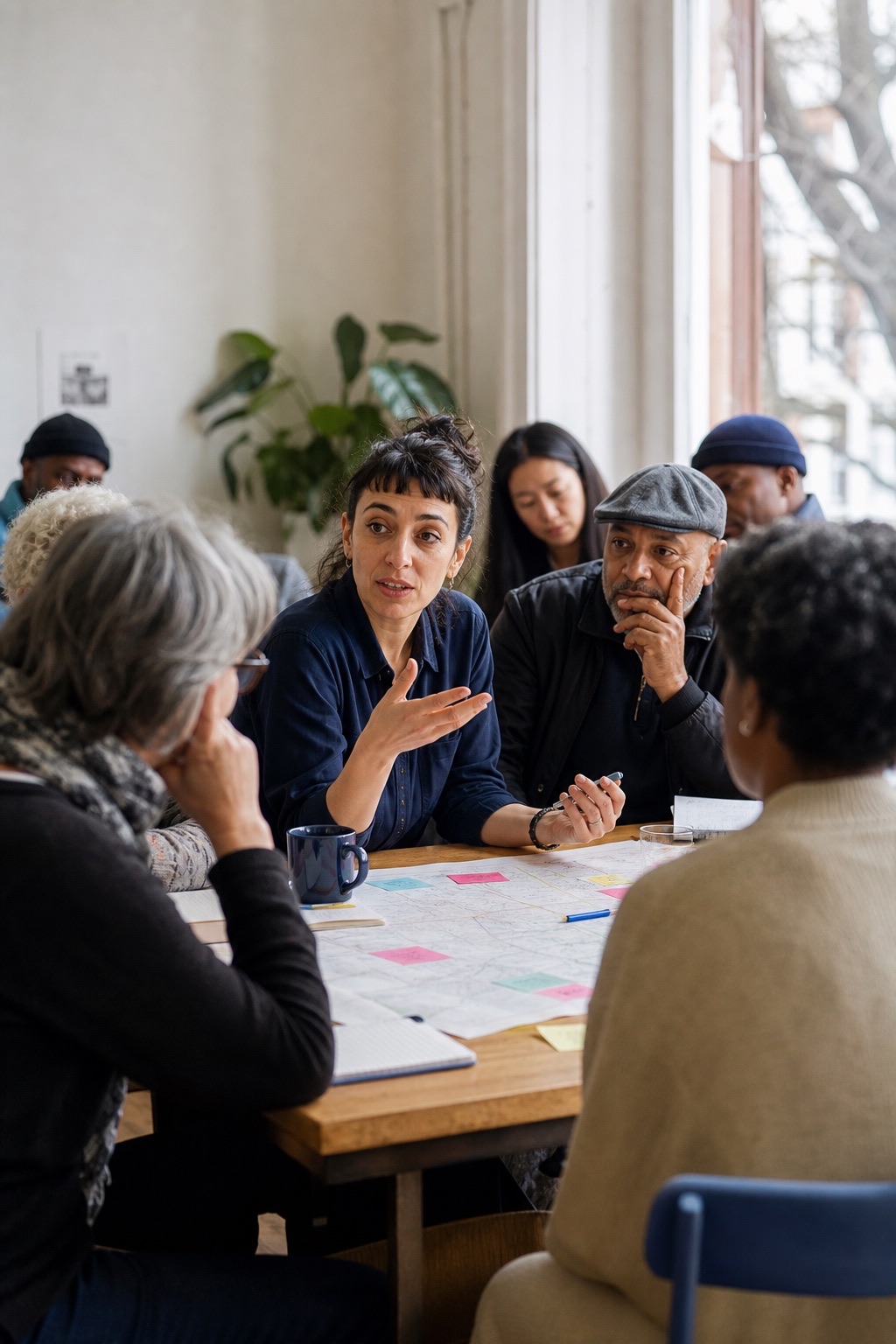
Urban researchers reviewing maps together in a city studio
Collaborative inquiry across climate, housing, mobility, and public technology. Illustrative editorial image.

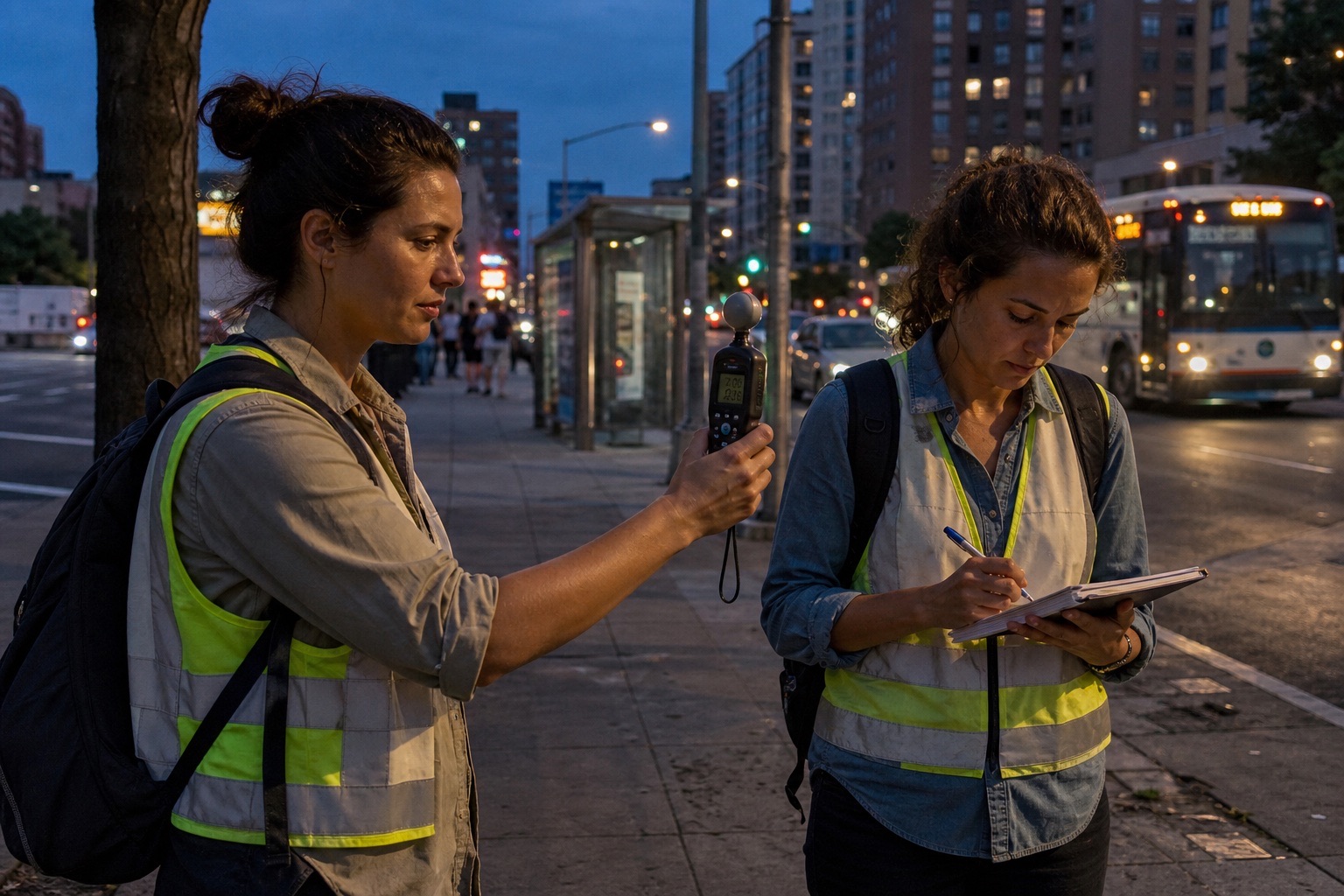
A current inquiry into how heat exposure changes after sunset—and why conventional daytime measures miss the unequal burden.

Research areas

Four connected programs examine the physical, social, and civic systems that determine how urban change is felt.

01

Climate adaptation

Heat, water, resilience infrastructure, and the unequal geography of risk.

Current inquiry

02

Housing and land

Affordability, vacancy, tenure, development patterns, and the right to remain.

Related papers

03

Mobility and public realm

Street design, access, care journeys, and the daily experience of moving.

Public forums

04

Civic technology

Public data, automated decisions, digital infrastructure, and accountable tools.

Our methods

Latest publications

Research notes, field papers, and methods briefs written for close reading and practical use.

Research note

Beyond the cooling center

A review of after-hours heat response through libraries, transit hubs, neighborhood organizations, and other everyday civic spaces.

Open access 12 min read · PDF

Field paper

Vacancy is not emptiness

What parcel records miss about informal stewardship, temporary use, and neighborhood value on land classified as vacant.

Open access 24 min read · PDF

Methods brief

Public algorithms, public streets

A field protocol for documenting how automated enforcement changes movement, discretion, and accountability in shared urban space.

Open access 16 min read · HTML

Researchers

A small interdisciplinary team working across climate, housing, mobility, technology, and public participation.

Amina Okafor

Research director · Urban climate

Studies how infrastructure, service hours, and housing shape heat exposure.

Leo Martínez

Research fellow · Mobility systems

Examines access, care journeys, and the public life of streets.

Mei Tan

Research lead · Housing and land

Works on land use, tenure, vacancy, and community-led development.

Samira Varga

Research fellow · Public technology

Focuses on civic data, automated systems, and institutional accountability.

Upcoming events

Public conversations that connect emerging evidence with the choices facing cities now.

A researcher facilitating a neighborhood roundtable discussion
Public learning is part of the research process. Illustrative editorial image.

Night heat and the 24-hour city

A research briefing on evening exposure, public service hours, and neighborhood-scale response.

Public briefingOnline · 13:00 ET

Who counts vacant land?

A methods workshop on administrative records, field observation, and locally held knowledge.

Methods workshopOnline · 11:00 ET

Accountability in automated public space

A forum on procurement, oversight, and public recourse when street-level decisions are automated.

Public forumOnline · 16:00 ET

Method and transparency

Evidence should be inspectable.

Every project is designed to make its evidence, analytical choices, and limits legible. We publish enough context for readers to understand what a finding can—and cannot—support.

Open by default Methods and limitations travel with every publication.

Traceable source records

Datasets, interviews, observations, and exclusions are documented by source and date.

Visible analytical choices

Definitions, transformations, assumptions, and revisions travel with each output.

Limitations in plain language

Uncertainty and missing evidence are presented with findings, not hidden in an appendix.

Versioned public outputs

Corrections and substantive changes are recorded so prior interpretations remain understandable.